


How is chorizo made?
Spanish charcuterie ChorizoChorizo is a cured meat of Iberian origin, very widespread in Europe and Latin America. It is also much appreciated in France, where it can be eaten with a salad to add a bit of spice. Depending on the preparation method and the ingredients used, there are many varieties of chorizo. Directos.eu invites you to discover how this Spanish cured meat, which closely resembles French dry saucisson, is made.
Chorizo, a Spanish dry saucisson
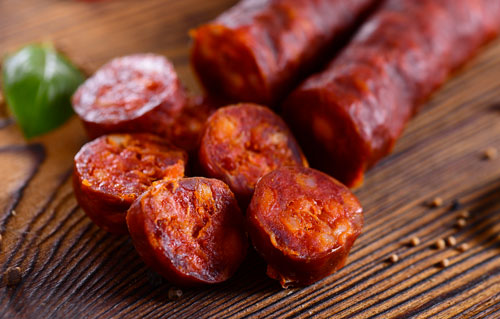
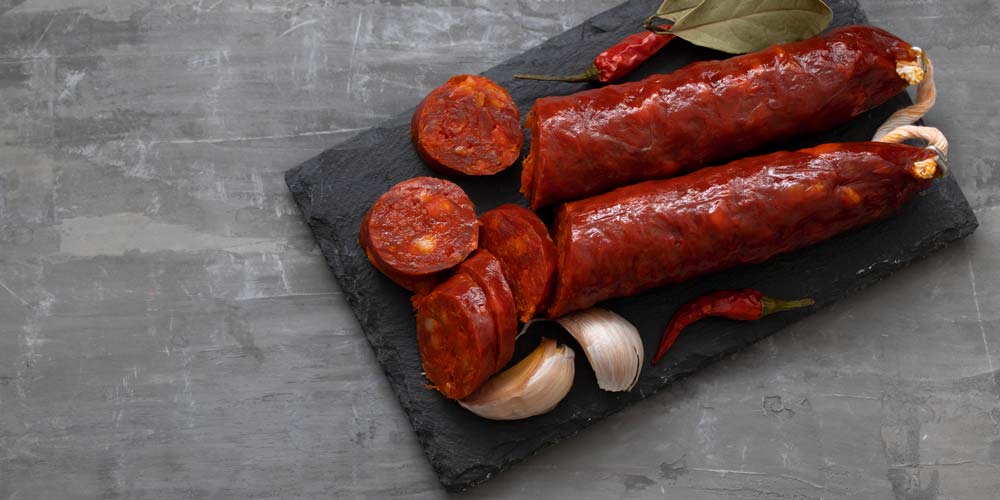
Chorizo generally has an elongated or U shape. It can be thin or thick depending on the casing used (the small intestine or the large intestine) during preparation. The taste can also vary (more or less mild or spicy). You will find two types of chorizo on the market, namely dry and fresh.
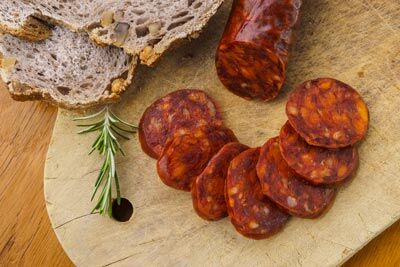
At Directos.eu, dry chorizo is on offer. This saucisson made from pork can be eaten raw, on its own or as an aperitif. Chorizo is also used as an ingredient in rice-based recipes or in soups. It can also be made into sandwiches by placing it directly on bread.
As for fresh chorizos, they must be cooked before eating. They can be boiled or grilled on a barbecue or a plancha before being worked into a delicious recipe. Chorizo can keep for 6 to 10 months.
The ingredients used to make chorizo
Pork is the main element chorizo is made from. There are, however, varieties that use:
- horse meat,
- beef,
- deer,
- foal,
- wild boar,
- ostrich.
The aim being to achieve a different flavour. These pork-free recipes also suit people looking for halal chorizo. Without this ingredient, however, the product is drier and harder to chew.
To respect the traditional recipe, pork must therefore be part of the preparation, even if other meats are also wanted. If you wish to buy horse chorizo, for example, it must contain some pork. This is essential for a good mouthfeel.
In our online charcuterie shop, the chorizo on offer is made from a selection of quality meats to give it a better taste. Lean and fat meat is used, as it gives it a certain tenderness. Whether it is made with pork or a blend of meats, the animals must be raised in good conditions.
Paprika is another essential ingredient in making chorizo, and it is what sets it apart. Also known as « pimentón », it is a variety of mild pepper used for seasoning. Without paprika, chorizo would not exist.
It is this ingredient that gives it that rust-like tint leaning towards red. This colouring is even a criterion for recognising well-spiced chorizo. It is the paprika that gives it that slightly tangy taste noticeable when tasting it.
Salt is also a key ingredient in making spicy chorizos. It brings out its flavour, but also helps preserve it. As for the other ingredients, there is garlic, pepper, oregano, red wine or bay leaf, used to season the chorizo. Casings are used to fill it.
How is this pork-based saucisson prepared?
The preparation of chorizo follows a salting method that has existed for more than 60 years. It must comply with the hygiene standards in force in Europe. This is indeed the case for all the dry cured meats available on Directos.eu.
To prepare chorizo, the meat must first be trimmed. This step ensures it has been properly boned and removes the parts that will not be used. A carving knife is most often used for this.
It is then left to firm up in the freezer so the fat does not melt. It then needs to be minced so that it is neither too fine nor too coarse. The mincer is generally fitted with the 12 mm plate, but the 6 mm one can also be used.
The other ingredients are then added and mixed until a compact ball is obtained. This kneading is very important, because it allows the proteins to form a binder so that the chorizo holds together well. The mixture is left to rest overnight in the fridge before moving on to filling the saucisson.
The casings must be rinsed and desalted beforehand. The chorizo is then left to steam in the warmth for about two days before being dried. This step takes place in a ventilated room with a temperature ranging from 10 to 15 °C and humidity between 75 and 80%.
The drying time for this Iberian saucisson is approximately a month and a half, but it can vary depending on the variety being made. The chorizo is tied and hung on a rack during this period.
A few recipes to try with your chorizos
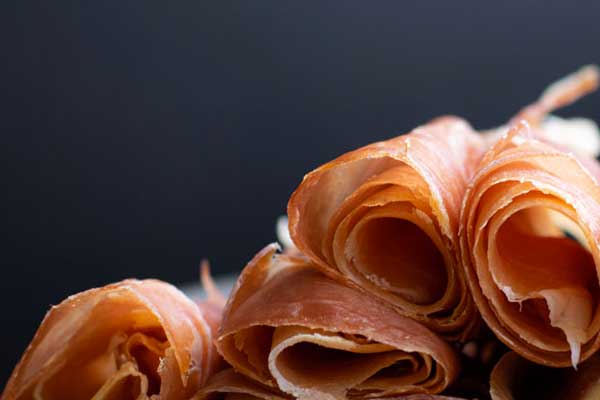
With your chorizos, you can make many homemade recipes or enjoy it in slices. Do not hesitate to combine it with other cured meats, such as ham. Rice with chorizo and diced ham is a great idea for lunch.
For dinner, try a baked egg with chorizo recipe, for example. If you like Italian pasta, why not mix the flavours of Italy and Spain? The recipe for pasta with ham and chorizo will certainly please you.
Learn more about Chorizo
Receive our new products, our tips and our promotions directly in your email box
You may well receive a surprise when you subscribe... 🤞
We will only send you information related to our site, only twice a month, and you can unsubscribe at any time!