


Charcuterie for pregnant women: what you need to know
Charcuterie HealthPregnancy transforms our eating habits. That is something every pregnant woman quickly discovers! Between sudden cravings and medical restrictions, navigating the world of food becomes a real challenge. Charcuterie is a particular focus for questions. Cooked ham or dry saucisson? Liver pâté or rillettes? We are going to separate fact from fiction in this flavourful maze where pleasure and caution intertwine.
The hidden dangers behind our favourite charcuterie
Eating charcuterie during pregnancy exposes pregnant women to several major health risks. You need to understand these threats to take the right precautions to protect the health of both mother and baby.
Listeriosis and toxoplasmosis: the main threats
Listeriosis is the main threat for pregnant women. This bacterial infection develops particularly in raw or undercooked products. The consequences can be dramatic: miscarriage, premature birth or serious neonatal infection.
Toxoplasmosis is the other major risk. This parasite proliferates in raw or undercooked meat. If you are not immune to this infection, absolute vigilance is required. The foetus can suffer irreversible eye or neurological damage.
Other health concerns
Nitrites and salt complete this less than reassuring picture. These preservatives, present throughout the charcuterie industry, raise questions about their long-term impact. Excessive sodium intake can worsen water retention and high blood pressure.
Cold-smoked products concentrate all these risks. Rillettes, terrines and artisan pâtés join this blacklist, despite their undeniable appeal.
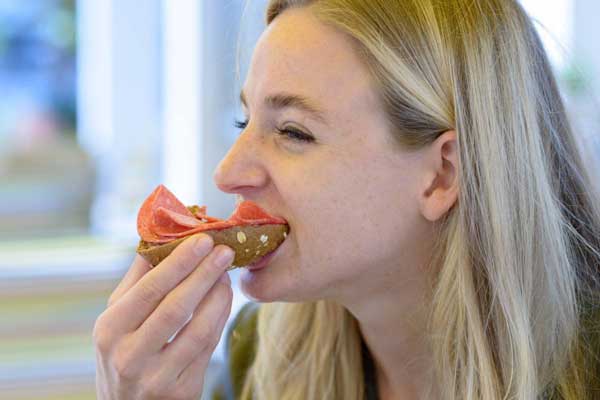
Practical guide: charcuterie allowed and forbidden for pregnant women
Navigating the world of charcuterie for pregnant women requires discernment and vigilance. This period transforms your relationship with food, where every bite matters for your health and your baby's. You need to understand the distinctions between allowed and forbidden products.
Pregnant women should pay particular attention to the cooking temperature of meats and charcuterie. The difference between a raw and a cooked product most often determines its compatibility with pregnancy. Pathogenic bacteria do not survive high temperatures.
Charcuterie to avoid absolutely
Many types of charcuterie must be avoided by pregnant women. Dry saucisson, chorizo, coppa and other dry-cured charcuterie: their insufficient cooking makes them dangerous. These raw products can harbour listeria and toxoplasma. Pâtés, whether liver or country-style, share the same fate. Their soft texture reveals incomplete cooking that encourages bacterial growth.
Despite their tempting smoothness, rillettes remain forbidden. Their artisan production does not guarantee a cooking temperature high enough to eliminate all pathogens. Cold-smoked products present similar risks, as smoking does not reach the temperatures needed for sterilisation.
Parma ham, bresaola and other Italian specialities join this exclusion list. Their traditional curing, however time-honoured, offers no health guarantee for pregnant women. Cross-contamination in artisan workshops is an additional, non-negligible risk.
Safe alternatives
Cooked plain ham is your best ally during pregnancy. Its high-temperature cooking eliminates dangerous bacteria and guarantees risk-free consumption. However, be sure to choose fresh products, vacuum-packed with a close best-before date. You can choose top-quality cooked hams.
Mortadella and cooked Strasbourg-style sausages pass the food safety test. Their industrial process guarantees effective sterilisation right through. Turkey ham, well cooked and freshly sliced, offers a tasty, less salty alternative.
Vacuum-packed industrial products present fewer risks for pregnant women. Their production follows strict health standards.
Indulgent alternatives for pregnant women without compromising health
Many tasty alternatives fortunately allow pregnant women to satisfy their charcuterie cravings without compromising their food safety. These substitutes offer variety and gustatory pleasure throughout pregnancy.
Plant-based substitutes and homemade preparations
Plant-based charcuterie is gaining in quality and flavour. It offers pregnant women remarkable protein-rich alternatives. These substitutes faithfully reproduce traditional textures and tastes with no risk of infection.
You can prepare your own home-cooked terrines by scrupulously respecting cooking temperatures. Prolonged cooking through the core eliminates all bacterial risk.
Creative compositions for your platters
Hard-boiled eggs, finely chopped and seasoned with fresh herbs, create a smooth paste reminiscent of certain charcuterie specialities. This homemade preparation guarantees total food safety.
Hard cheeses and dried fruit harmoniously complete your aperitif platters. These combinations create complex flavours that make up for the absence of traditional charcuterie. Walnuts and almonds provide essential plant-based protein.
Expert advice for safely eating charcuterie
Safe eating during pregnancy relies on strict hygiene rules and rigorous purchasing precautions. These good practices guarantee optimal protection against foodborne infections.
Essential hygiene rules
Hygiene comes before everything else in the diet of pregnant women. Systematically wash your hands before and after handling food, especially when preparing meats and charcuterie. Thoroughly clean work surfaces with suitable disinfectant products.
The cold chain allows no negligence. Transport your purchases in an insulated bag and put them straight in the fridge. Storage temperature should never exceed 4°C to maintain the bacteriological integrity of cooked charcuterie.
Purchasing and consumption precautions
Read labels carefully and scrupulously respect best-before dates, which are especially important for pregnant women. Opened products should be eaten within 48 hours maximum after opening.
If you accidentally eat a forbidden product, consult your doctor as soon as possible, who will assess whether further tests are needed. Cooking is your best defence: systematically heat your food to 70°C for at least two minutes.
Pregnancy calls for vigilance, not frustration
Charcuterie for pregnant women requires particular precautions, without having to turn your diet into an obstacle course. Tasty alternatives exist to satisfy your cravings without compromising your health or your baby's. The key lies in understanding the risks and adopting good eating practices.
Caution guides your food choices, but the pleasure of eating remains intact throughout your pregnancy. Regularly consult your doctor or midwife for personalised advice tailored to your particular situation and your immune status regarding toxoplasmosis.
🚚
Shipping
FREE
in United-Kingdom
Valid for delivery to a pick-up point, orders over €40
Offer reserved for individuals, valid for all your orders
And for everyone else, we offer our excellent charcuterie!
🎁🐷
-20% off
on your first order!
Taking the first step is not an easy thing! This is why, to help you make the (right) choice, we are offering you this immediate discount on your first order,
with the code: JEMELANCE
Non-cumulative offer, reserved for individuals, valid once per customer, from 30€ purchase, excluding subscription.
Learn more
Receive our new products, our tips and our promotions directly in your email box
You may well receive a surprise when you subscribe... 🤞
We will only send you information related to our site, only twice a month, and you can unsubscribe at any time!