


About charcuterie
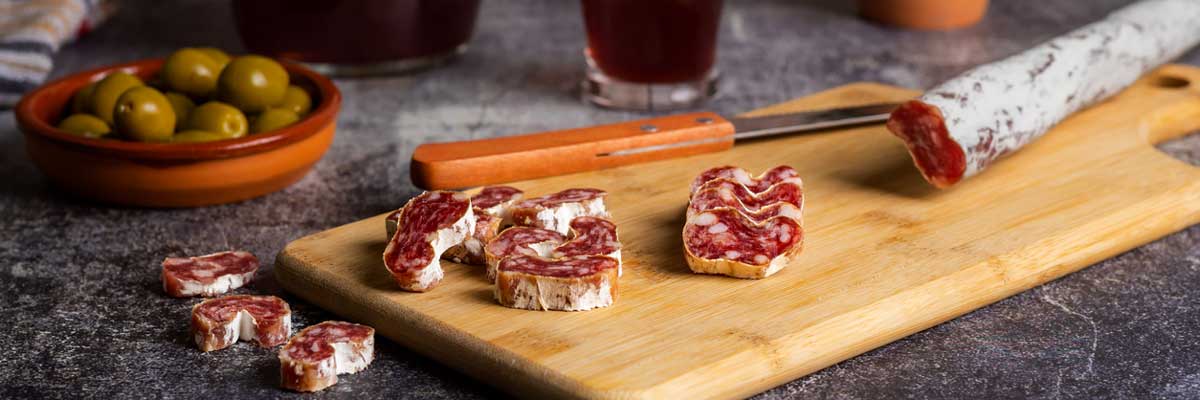
The different varieties of Catalan fuet: a universe of tastes and textures
Espetec, mild fuet, peppered fuet: each variety of Catalan fuet has its own character and pairings. We present six varieties — Espetec, mild, peppered, roquefort, Vic and spicy — with their taste, texture and the wines that go best with them....
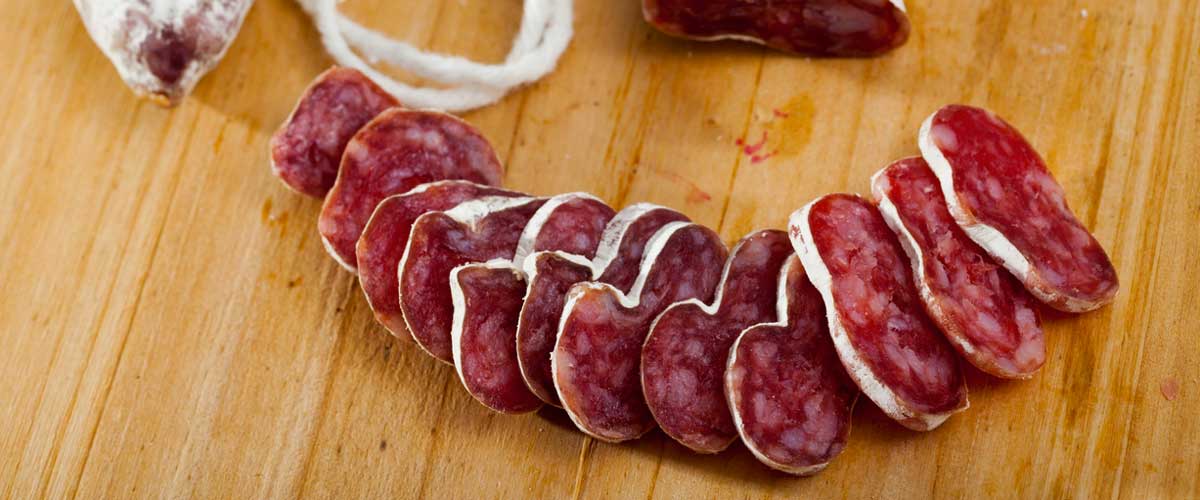
The tradition of Catalan fuet: history and origins of this Spanish charcuterie
Catalan fuet, also called Espetec, traces its origins back to Roman times and to a legend from the wars against the Moors. We look at its history, where to buy it and the best ways to enjoy it: as an aperitif, in cooked dishes, or in salads and omelettes....
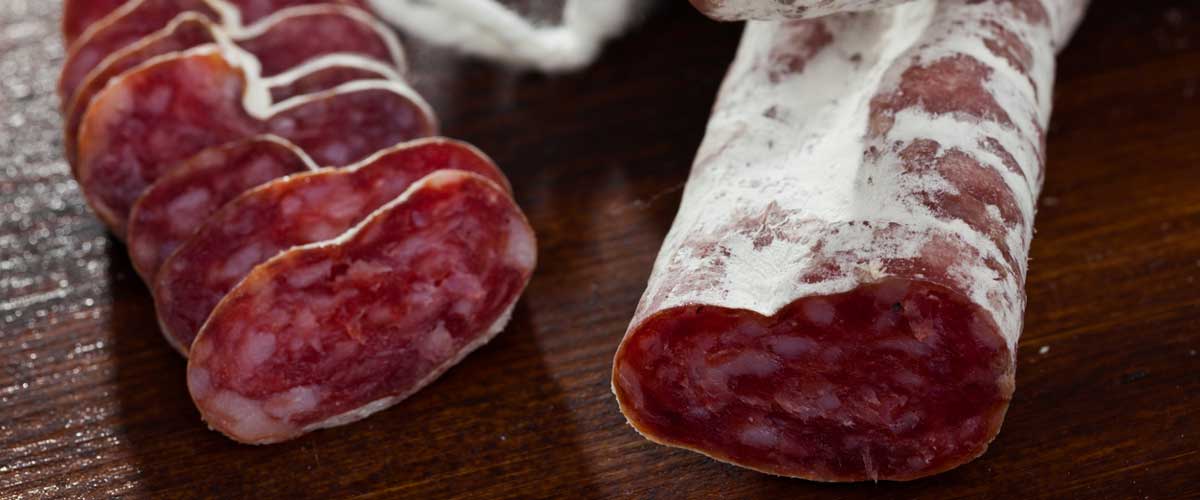
How and how long to store a Catalan fuet?
Catalan fuet keeps in a cool, ventilated place away from light, between 12 and 18°C: a saucisson box, a cloth, the fridge or even the freezer for the longest storage. We explain the storage times, the best-before and use-by dates, and the different varieties of fuet and how to eat them....
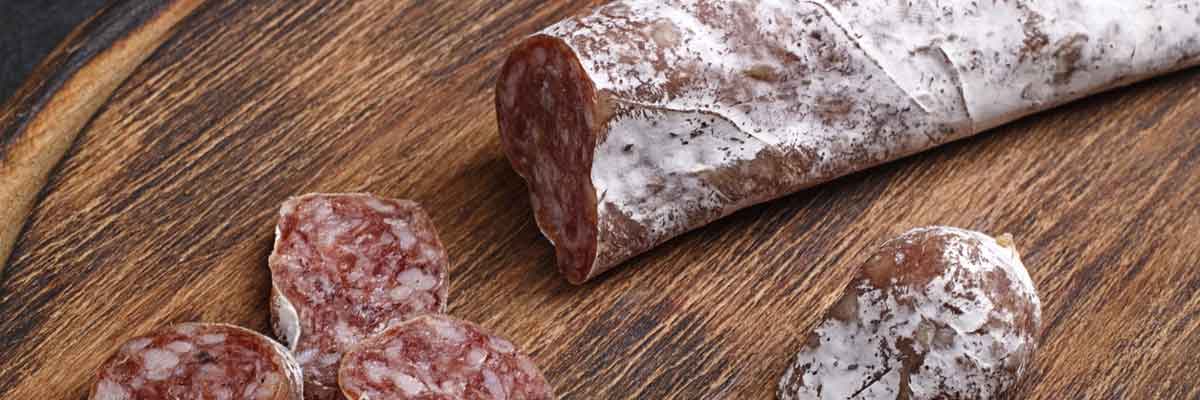
The nutritional benefits of Catalan fuet
Catalan fuet provides about 464 kilocalories per 100 grams, few carbohydrates, but a good amount of protein, fat, vitamins (B1, B3, B6, B9, B12, D, E) and minerals such as iron, zinc and magnesium....
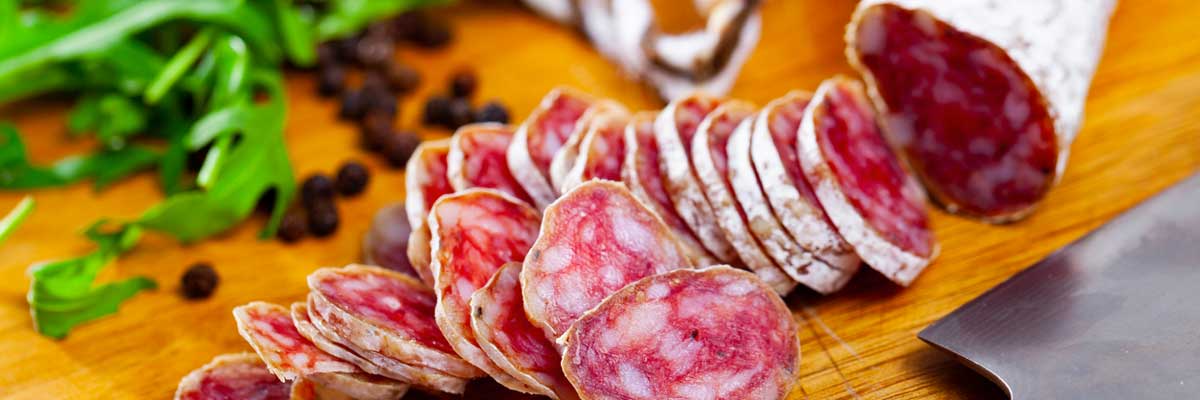
The art of making Catalan fuet
Making your own Catalan fuet requires few ingredients: pork, backfat, salt, pepper, paprika and garlic. We explain the recipe step by step, from mincing the meat to drying, and how to store the finished product....
04
What is the surface bloom of dry saucisson for?
The white powder covering dry saucisson is not flour: it is the surface bloom, a natural coating of moulds and yeasts that protects the meat and refines its taste during curing. We explain what it is made of, its role, and why it is safe to eat on Directos.eu products....
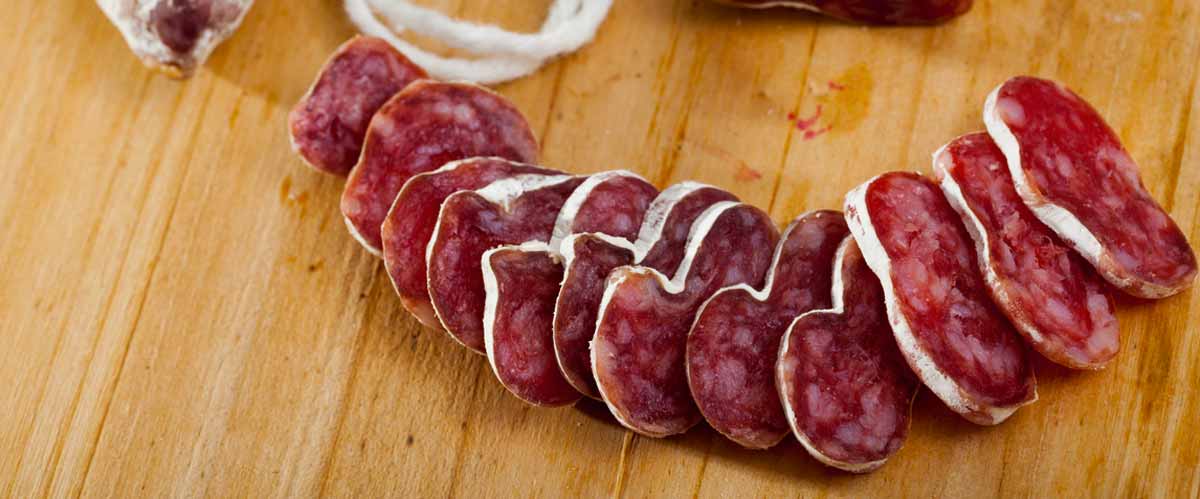
Catalan fuet as an aperitif: ideas to impress your guests
Catalan fuet, or espetec, is a dry saucisson made from the pork loin. We share four aperitif ideas to enjoy it and impress your guests: savoury cake, escalivada, tapas and plain slices....
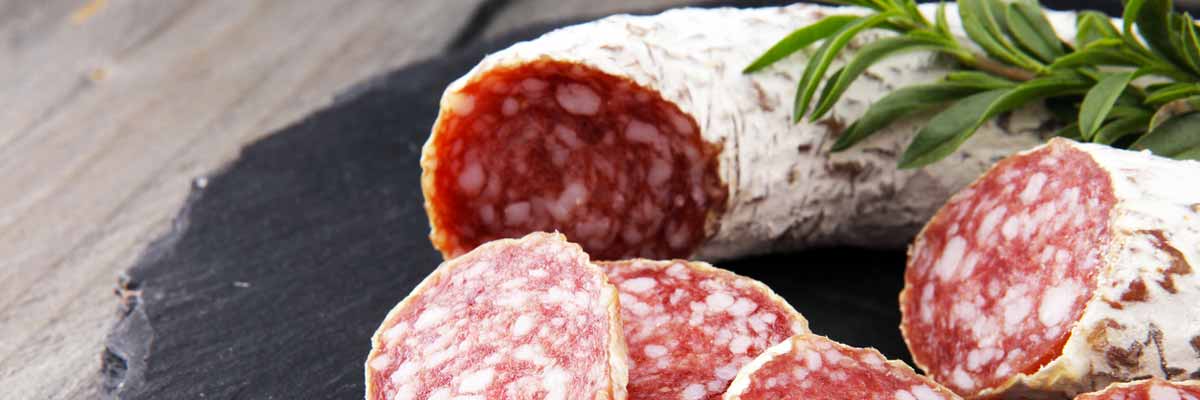
Should the skin of dry saucisson be eaten?
The skin of dry saucisson can be natural, synthetic or plastic, and that changes everything. A natural pork casing is edible, flavourful and safe, while artificial casings bring neither taste nor interest. We explain how to tell the different types of skin apart and why fans of artisan saucisson choose to eat it....
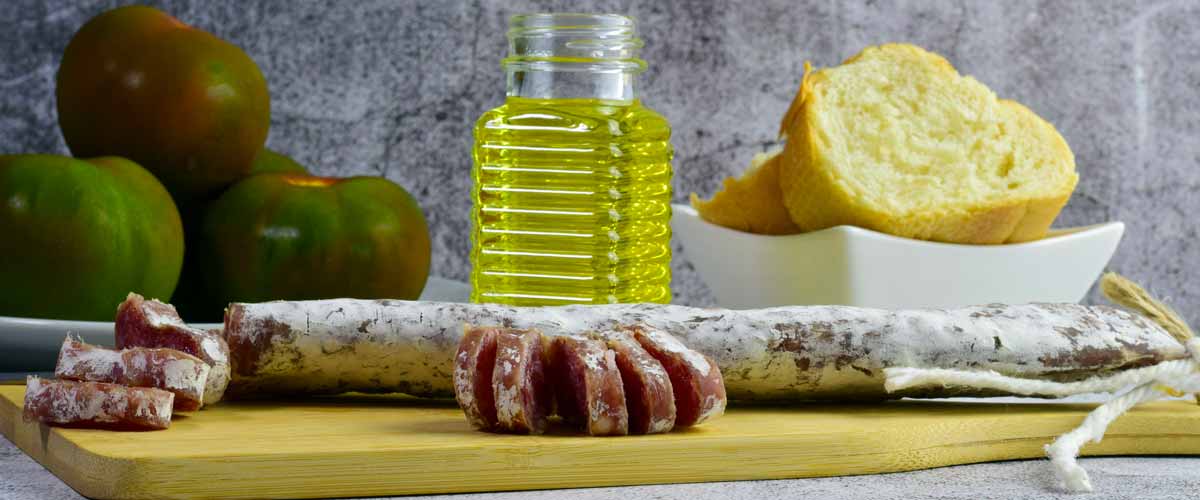
The best taste combinations for enjoying Catalan fuet
Catalan fuet lends itself to many combinations, from the great classic with bread and olive oil to more elaborate recipes: tartare, citrus salad and feta toasts. We share four ideas for enjoying it at its best....
The best recipes to enhance Catalan fuet in your kitchen
Catalan fuet is not limited to the aperitif: it also enhances savoury dishes. We share four recipes to cook it into your everyday meals: escalivada, spaghetti, lentil salad and risotto....
Receive our new products, our tips and our promotions directly in your email box
You may well receive a surprise when you subscribe... 🤞
We will only send you information related to our site, only twice a month, and you can unsubscribe at any time!